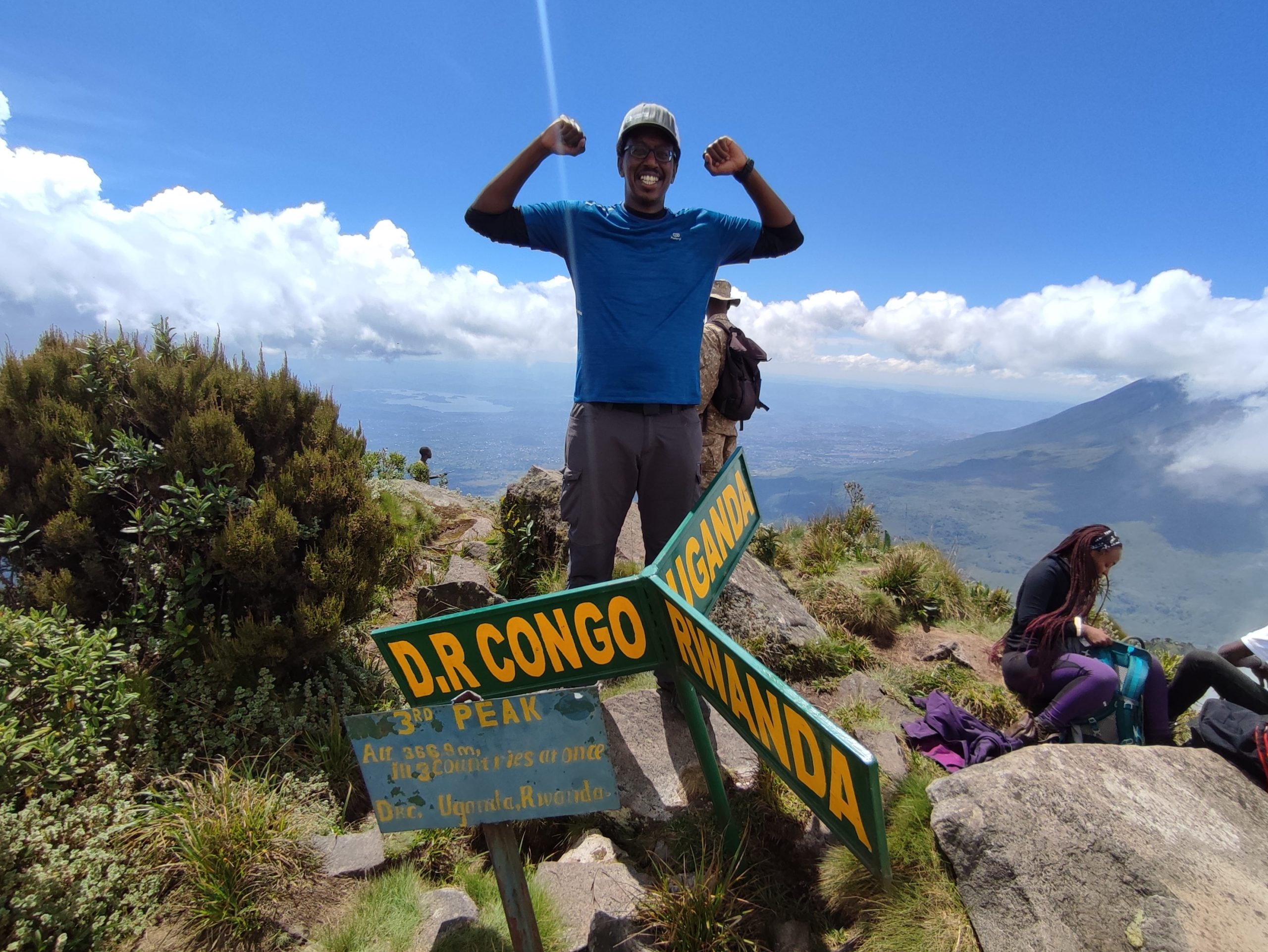
Untamed & Unforgettable Adventure in the Democratic Republic of Congo.
April 18, 2026
The Democratic Republic of the Congo is not for the faint of heart. It is Africa in its purest, most primal form a country where dense jungles rumble with volcanic energy and rare primates roam misty highlands. For travelers weary of crowded jeeps and manicured lodges, the DRC offers the ultimate reward: raw, untamed wilderness and encounters that feel like genuine exploration.
While the country faces challenges, its national parks stand as conservation miracles, staffed by dedicated rangers who risk everything to protect the world’s most extraordinary creatures. If you are ready to step off the beaten path, here are the two absolute must-visit tourist attraction centres for wildlife safaris and adventure in the DRC.
1. Virunga National Park: Where Volcanoes Meet Gorillas
Location: Eastern DRC, bordering Rwanda and Uganda
UNESCO Status: World Heritage Site (inscribed 1979)
Best For: Mountain gorilla trekking and active volcano climbing.
Virunga National Park is Africa’s oldest national park (established in 1925) and arguably its most dramatic. Stretching from the Rwenzori Mountains to the shores of Lake Edward, this park protects a staggering array of habitats-savannahs, lava plains, swamps, and afro-montane forests. But two experiences put Virunga on every adventurer’s bucket list.
a) Mountain Gorilla Trekking in Virunga
Unlike the more commercialized trekking in neighboring Rwanda, Virunga offers a grittier, more intimate gorilla encounter. Only a handful of habituated families exist here, and the trekking permits are significantly more affordable (around $400–$500 compared to $1,5. The trade-off? Less predictable infrastructure and a true sense of wilderness.
You will hike through dense, tangled forests guided by armed rangers, not because the gorillas are dangerous, but because the forest holds other threats. When you finally locate a family of mountain gorillas, the experience is electric. These gentle giants go about their daily lives: silverbacks beating their chests, mothers grooming infants, juveniles tumbling through vines. Without the crowds, you feel like an intruder in their living room-a privilege few travelers ever know.
b) Hiking Mount Nyiragongo: The World’s Largest Lava Lake
If gorillas are the heart of Virunga, Mount Nyiragongo is its fiery soul. This active stratovolcano stands 3,470 meters (11,382 feet) tall and harbors the world’s largest persistent lava lake, a churning, glowing cauldron of molten rock.
The hike is brutal but short: 5-6 hours of steep climbing over hardened lava flows, with overnight stays in basic huts at the rim. As dusk falls, the sky darkens, and the lava lake below begins to glow an otherworldly crimson. By night, the crater roars and spits, painting the clouds orange. It is a primal, almost terrifying spectacle, one that seasoned travelers call the single most awe-inspiring natural wonder they have ever witnessed.
Top Experiences in Virunga:
· Mountain gorilla trekking (book permits via the park’s official website)
· Mount Nyiragongo overnight hike (requires good fitness)
· Boat safari on Lake Edward (see hippos, elephants, and buffalo from the water)
· Visit the Senkwekwe Gorilla Orphanage (a unique conservation center)
· Nature walks through the Rwenzori foothills
Important Note: Virunga was temporarily closed due to security incidents but has reopened with enhanced ranger protection. Always check the official Virunga National Park website for current safety updates and book through authorized operators.
2. Kahuzi-Biega National Park: Kingdom of the Eastern Lowland Gorilla
Location: South Kivu Province, near Bukavu (Lake Kivu)
UNESCO Status: World Heritage Site (inscribed 1980)
Best For: Eastern lowland gorilla tracking and volcanic hiking
While mountain gorillas steal the headlines, the eastern lowland gorilla (Gorilla beringei graueri) is the largest living primate on Earth. Males can weigh over 250 kilograms (550 pounds)—twice the size of their mountain cousins. And the only place to reliably see them is Kahuzi-Biega National Park.
Named for two extinct volcanoes-Mount Kahuzi (3,308m) and Mount Biega (2,790m)-this park protects 600,000 hectares of pristine tropical rainforest. The gorillas here live at lower altitudes than mountain gorillas, so the trekking is less about altitude sickness and more about navigating humid, biodiverse jungle.
Trekking the Lowland Giants
The experience differs from mountain gorilla trekking. Lowland gorillas range over larger areas and can be more skittish, but the habituated families in Kahuzi-Biéga are used to human presence. As you walk through thick undergrowth, your guide will point out fresh nests, dung, and chewed bamboo shoots. When you finally encounter a troop, you’ll understand why these animals are called “gentle giants.” A massive silverback may lounge on the forest floor while youngsters tumble around him-a scene of pure, unscripted family life.
Beyond the Gorillas: Volcanic Hikes & Biodiversity
The park’s namesake volcanoes offer challenging but rewarding hikes. Mount Kahuzi takes a full day, leading you through five distinct vegetation zones from montane forest to giant heather and sub-alpine meadows. On clear days, you can see both Lake Kivu and the peaks of the Rwenzori Mountains.
Birders will also be in heaven: Kahuzi-Biéga hosts over 340 bird species, including the endemic Congo peafowl and Grauer’s swamp warbler.
Top Experiences in Kahuzi-Biéga:
· Eastern lowland gorilla trekking (more affordable than mountain gorillas, around $200–400)
· Climbing Mount Kahuzi (strenuous, requires a full day)
· Guided forest walks (spot monkeys, forest elephants, and unique flora)
· Birdwatching tours (specialist guides available)
· Cultural visits to the Batwa pygmy communities near Bukavu.
Note: South Kivu has experienced security challenges. Always travel with a reputable tour operator, hire armed park rangers for treks, and check your government’s travel advisory before booking. The park itself is well-protected, but the surrounding region requires caution.
Practical Advice for the DRC Adventurer
Getting There and Getting Around
· Virunga: Fly into Kigali (Rwanda), then take a 3-4-hour road transfer to Gisenyi/Rubavu and cross the border to Goma. Virunga’s headquarters are in Goma.
· Kahuzi-Biéga: Fly into Kigali, then take a domestic or charter flight to Bukavu (or drive via Cyangugu border crossing). The park is a 45-minute drive from Bukavu.
Best Time to Visit
· Dry seasons (June–August & December–February): Trails are less muddy, Nyiragongo hike is safer, and gorilla trekking is easier.
· Wet seasons: Lower visitor numbers and lush scenery, but expect slippery slopes and potential road closures.
Security & Health
· Yellow fever vaccination is mandatory.
· Malaria prophylaxis is essential (lowland areas have high malaria risk).
· Hire armed rangers for all treks, they are not optional.
· Register with your embassy upon arrival.
· Travel with a specialist operator (e.g., Congo Travel, Wild Expeditions Congo) rather than independently.
Who Is This For?
The DRC is not for first-time safari-goers or luxury seekers. It is for seasoned travelers who can handle logistical uncertainty, basic accommodation (camping or rustic cabins), and the presence of military checkpoints. The rewards, exclusive wildlife encounters, volcanic fire shows, and the knowledge that your tourism dollars directly support park rangers and conservation, are unmatched anywhere else on Earth.
Two Parks, One Unforgettable Journey
Virunga National Park gives you the classic double-header: mountain gorillas and an active lava lake. Kahuzi-Biéga National Park offers the rare chance to meet the world’s largest gorilla subspecies in a lush, volcanic landscape. Together, they represent the best of Congolese wildlife and adventure.
Is it easy? No. Is it safe? With proper planning and respect for local guidance, yes. Will it change you? Absolutely.
For the traveler who believes the wildest places offer the deepest stories, the Democratic Republic of the Congo is waiting. Pack your boots, your sense of resilience, and an open heart. The gorillas and the lava lake are ready to welcome you.
Book your safari now
call/WhatsApp: +(256) 700135510
E-mail:info@gorillatrekkingbooking.com
visit us:www.gorillatrekkingbooking.com
While the country faces challenges, its national parks stand as conservation miracles, staffed by dedicated rangers who risk everything to protect the world’s most extraordinary creatures. If you are ready to step off the beaten path, here are the two absolute must-visit tourist attraction centres for wildlife safaris and adventure in the DRC.
1. Virunga National Park: Where Volcanoes Meet Gorillas
Location: Eastern DRC, bordering Rwanda and Uganda
UNESCO Status: World Heritage Site (inscribed 1979)
Best For: Mountain gorilla trekking and active volcano climbing.
Virunga National Park is Africa’s oldest national park (established in 1925) and arguably its most dramatic. Stretching from the Rwenzori Mountains to the shores of Lake Edward, this park protects a staggering array of habitats-savannahs, lava plains, swamps, and afro-montane forests. But two experiences put Virunga on every adventurer’s bucket list.
a) Mountain Gorilla Trekking in Virunga
Unlike the more commercialized trekking in neighboring Rwanda, Virunga offers a grittier, more intimate gorilla encounter. Only a handful of habituated families exist here, and the trekking permits are significantly more affordable (around $400–$500 compared to $1,5. The trade-off? Less predictable infrastructure and a true sense of wilderness.
You will hike through dense, tangled forests guided by armed rangers, not because the gorillas are dangerous, but because the forest holds other threats. When you finally locate a family of mountain gorillas, the experience is electric. These gentle giants go about their daily lives: silverbacks beating their chests, mothers grooming infants, juveniles tumbling through vines. Without the crowds, you feel like an intruder in their living room-a privilege few travelers ever know.
b) Hiking Mount Nyiragongo: The World’s Largest Lava Lake
If gorillas are the heart of Virunga, Mount Nyiragongo is its fiery soul. This active stratovolcano stands 3,470 meters (11,382 feet) tall and harbors the world’s largest persistent lava lake, a churning, glowing cauldron of molten rock.
The hike is brutal but short: 5-6 hours of steep climbing over hardened lava flows, with overnight stays in basic huts at the rim. As dusk falls, the sky darkens, and the lava lake below begins to glow an otherworldly crimson. By night, the crater roars and spits, painting the clouds orange. It is a primal, almost terrifying spectacle, one that seasoned travelers call the single most awe-inspiring natural wonder they have ever witnessed.
Top Experiences in Virunga:
· Mountain gorilla trekking (book permits via the park’s official website)
· Mount Nyiragongo overnight hike (requires good fitness)
· Boat safari on Lake Edward (see hippos, elephants, and buffalo from the water)
· Visit the Senkwekwe Gorilla Orphanage (a unique conservation center)
· Nature walks through the Rwenzori foothills
Important Note: Virunga was temporarily closed due to security incidents but has reopened with enhanced ranger protection. Always check the official Virunga National Park website for current safety updates and book through authorized operators.
2. Kahuzi-Biega National Park: Kingdom of the Eastern Lowland Gorilla
Location: South Kivu Province, near Bukavu (Lake Kivu)
UNESCO Status: World Heritage Site (inscribed 1980)
Best For: Eastern lowland gorilla tracking and volcanic hiking
While mountain gorillas steal the headlines, the eastern lowland gorilla (Gorilla beringei graueri) is the largest living primate on Earth. Males can weigh over 250 kilograms (550 pounds)—twice the size of their mountain cousins. And the only place to reliably see them is Kahuzi-Biega National Park.
Named for two extinct volcanoes-Mount Kahuzi (3,308m) and Mount Biega (2,790m)-this park protects 600,000 hectares of pristine tropical rainforest. The gorillas here live at lower altitudes than mountain gorillas, so the trekking is less about altitude sickness and more about navigating humid, biodiverse jungle.
Trekking the Lowland Giants
The experience differs from mountain gorilla trekking. Lowland gorillas range over larger areas and can be more skittish, but the habituated families in Kahuzi-Biéga are used to human presence. As you walk through thick undergrowth, your guide will point out fresh nests, dung, and chewed bamboo shoots. When you finally encounter a troop, you’ll understand why these animals are called “gentle giants.” A massive silverback may lounge on the forest floor while youngsters tumble around him-a scene of pure, unscripted family life.
Beyond the Gorillas: Volcanic Hikes & Biodiversity
The park’s namesake volcanoes offer challenging but rewarding hikes. Mount Kahuzi takes a full day, leading you through five distinct vegetation zones from montane forest to giant heather and sub-alpine meadows. On clear days, you can see both Lake Kivu and the peaks of the Rwenzori Mountains.
Birders will also be in heaven: Kahuzi-Biéga hosts over 340 bird species, including the endemic Congo peafowl and Grauer’s swamp warbler.
Top Experiences in Kahuzi-Biéga:
· Eastern lowland gorilla trekking (more affordable than mountain gorillas, around $200–400)
· Climbing Mount Kahuzi (strenuous, requires a full day)
· Guided forest walks (spot monkeys, forest elephants, and unique flora)
· Birdwatching tours (specialist guides available)
· Cultural visits to the Batwa pygmy communities near Bukavu.
Note: South Kivu has experienced security challenges. Always travel with a reputable tour operator, hire armed park rangers for treks, and check your government’s travel advisory before booking. The park itself is well-protected, but the surrounding region requires caution.
Practical Advice for the DRC Adventurer
Getting There and Getting Around
· Virunga: Fly into Kigali (Rwanda), then take a 3-4-hour road transfer to Gisenyi/Rubavu and cross the border to Goma. Virunga’s headquarters are in Goma.
· Kahuzi-Biéga: Fly into Kigali, then take a domestic or charter flight to Bukavu (or drive via Cyangugu border crossing). The park is a 45-minute drive from Bukavu.
Best Time to Visit
· Dry seasons (June–August & December–February): Trails are less muddy, Nyiragongo hike is safer, and gorilla trekking is easier.
· Wet seasons: Lower visitor numbers and lush scenery, but expect slippery slopes and potential road closures.
Security & Health
· Yellow fever vaccination is mandatory.
· Malaria prophylaxis is essential (lowland areas have high malaria risk).
· Hire armed rangers for all treks, they are not optional.
· Register with your embassy upon arrival.
· Travel with a specialist operator (e.g., Congo Travel, Wild Expeditions Congo) rather than independently.
Who Is This For?
The DRC is not for first-time safari-goers or luxury seekers. It is for seasoned travelers who can handle logistical uncertainty, basic accommodation (camping or rustic cabins), and the presence of military checkpoints. The rewards, exclusive wildlife encounters, volcanic fire shows, and the knowledge that your tourism dollars directly support park rangers and conservation, are unmatched anywhere else on Earth.
Two Parks, One Unforgettable Journey
Virunga National Park gives you the classic double-header: mountain gorillas and an active lava lake. Kahuzi-Biéga National Park offers the rare chance to meet the world’s largest gorilla subspecies in a lush, volcanic landscape. Together, they represent the best of Congolese wildlife and adventure.
Is it easy? No. Is it safe? With proper planning and respect for local guidance, yes. Will it change you? Absolutely.
For the traveler who believes the wildest places offer the deepest stories, the Democratic Republic of the Congo is waiting. Pack your boots, your sense of resilience, and an open heart. The gorillas and the lava lake are ready to welcome you.
Book your safari now
call/WhatsApp: +(256) 700135510
E-mail:info@gorillatrekkingbooking.com
visit us:www.gorillatrekkingbooking.com